The integration of face recognition technology in access control systems is a testament to modern security
solutions. This case study explores a successful implementation of this technology in a corporate environment,
highlighting key aspects and outcomes of the project.
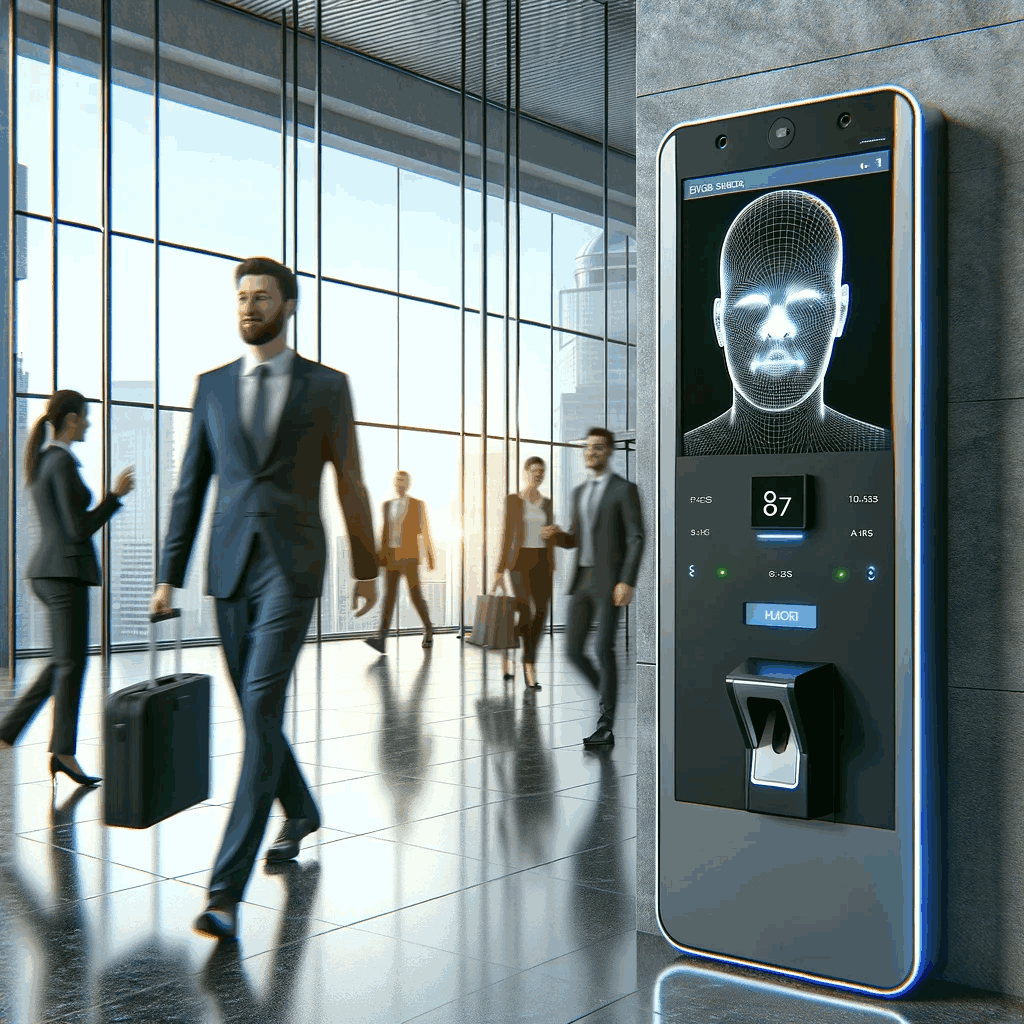
Project Overview
A large corporation faced challenges with its traditional access control system, including security breaches
and slow processing times. The introduction of a face recognition-based system aimed to enhance security
and streamline access.
Implementation Process
The implementation involved installing face recognition scanners at all entry points and registering employees'
biometric data. The system was integrated with the company’s existing security infrastructure for a seamless transition.
Enhanced Security and Efficiency
Post-implementation, the company experienced a significant improvement in security. The face recognition system
effectively prevented unauthorized access and reduced dependency on security personnel. Moreover, the quick
verification process expedited employee movement, reducing bottlenecks at entry points.
Employee Feedback and Adaptation
Initial concerns about privacy were addressed through transparent communication and strict data protection measures.
Employees quickly adapted to the new system, appreciating its speed and convenience.
Long-Term Benefits
The company noted long-term benefits including reduced operational costs, better compliance with safety regulations,
and valuable data analytics on employee movements.
Conclusion
The successful implementation of face recognition technology in access control not only enhanced security but also
improved operational efficiency. This case study demonstrates the technology’s potential to transform workplace
security and access management.

Copyright © SCANMAX Technologies Co., Ltd. All Rights Reserved | Sitemap
Technical Support: