In an era where security breaches are increasingly sophisticated, high-security areas require robust and
reliable access control systems. Face recognition technology has emerged as a key player in this field,
offering numerous benefits for enhancing security in sensitive environments.
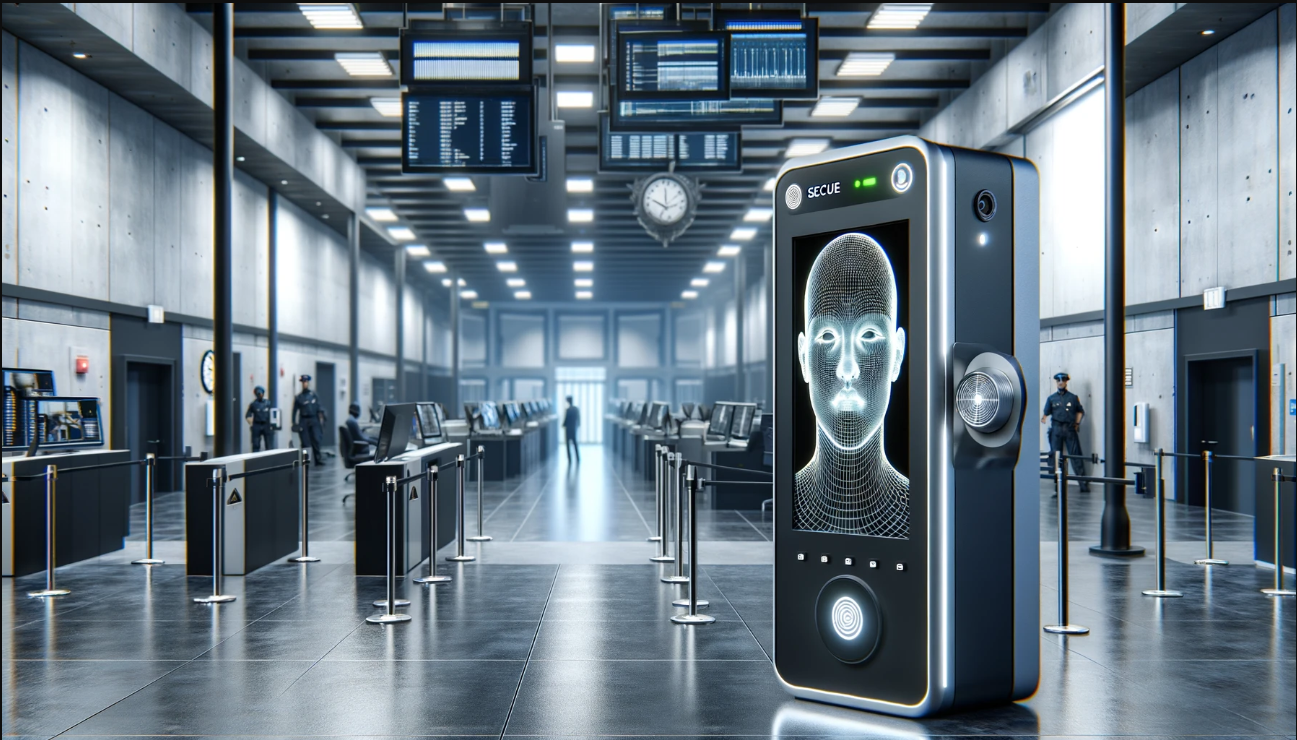
Enhanced Security and Verification
The foremost advantage of face recognition in high-security areas is its ability to provide enhanced
verification. Unlike traditional methods, such as keycards or passwords, face recognition is difficult
to forge or manipulate. This reduces the risk of unauthorized access, ensuring only verified individuals
can enter secure areas.
Rapid Processing and Convenience
Face recognition systems process identification rapidly, allowing for swift access to authorized personnel.
This speed does not compromise security; rather, it enhances the flow of movement in high-security
zones, making it convenient for employees and visitors who have clearance.
Integration with Surveillance Systems
These systems can be integrated with existing surveillance infrastructure, providing a comprehensive
security setup. This integration allows for real-time monitoring and can help in quick response during
security incidents.
Reduced Costs and Maintenance
While the initial setup cost might be higher, face recognition systems tend to have lower long-term
costs compared to traditional access control methods. They require less maintenance and are less
prone to damage or loss, unlike physical access tokens.
Future-Proofing Security
As technology advances, face recognition systems continue to improve, incorporating features like
3D modeling and liveness detection. This continuous improvement ensures that security in high-risk
areas remains robust against evolving threats.
Conclusion
The adoption of face recognition technology in high-security areas offers unmatched benefits in terms
of security, efficiency, and cost-effectiveness. As technology evolves, its role in safeguarding sensitive
environments becomes increasingly vital.
Copyright © SCANMAX Technologies Co., Ltd. All Rights Reserved | Sitemap
Technical Support: